Our Services

Funeral Pooja

Antyesti (IAST: Antyeṣṭi, Sanskrit: अन्त्येष्टि) literally means “last sacrifice”, and refers to the funeral rites for the dead in Hinduism. This rite of passage is one of traditional Saṃskāras in the life of a Hindu.It is also referred to as Antima Sanskar, Antya-kriya, Anvarohanyya, or as Vahni Sanskara

Ashes Scattering (Asthi Visarjan)

Asthi-visarjan is the final rites for the disposal of Antyesti. According to the Hindu religion, the ashes and remains of the deceased are collected in an earthen pot and consigned to the holy river. It is commonly believed that immersion of the ashes in the river Ganga is considered most sacred.

Pitru Tarpan

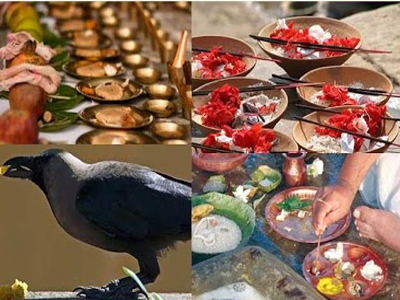
Pitru Paksha is considered by Hindus to be inauspicious, given the death rite performed during the ceremony, known as Shraddha or Tarpan. In southern and western India, it falls in the 2nd paksha (fortnight) Hindu lunar month of Bhadrapada (September) and follows the fortnight immediately after the Ganesh festival.

Shraddh Vidhi (Uttar Kriya)

Pitru Paksha is a very auspicious time in a year meant for performing the special shradhceremonies of ancestors.

Shraddh Vidhi (Uttar Kriya)

10th day, 11th day, Maasik Shraddh, 12th day, 13th day, Varshi Shraddh etc.

Pitru Paksha (Sanskrit: पितृ पक्ष), also spelt as Pitri paksha, Pitr Paksha is a 16–lunar day period in Hindu calendar when Hindus pay homage to their ancestor (Pitrs), especially through food offerings.